

Performance is not a technical metric. It is a user experience metric.
Website speed defines first impression
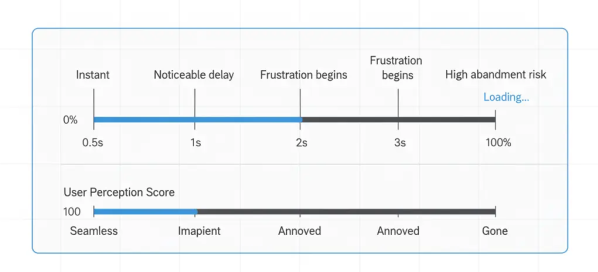
First impressions are formed almost instantly, often before the user consciously processes the content.
A slow-loading website immediately signals poor quality, lack of professionalism, and low reliability.
Users form an opinion about a website in under one second. A delay of just 1 second can reduce user satisfaction by up to 16%.
You never get a second chance to load a first impression.
Performance has a direct impact on conversion rates
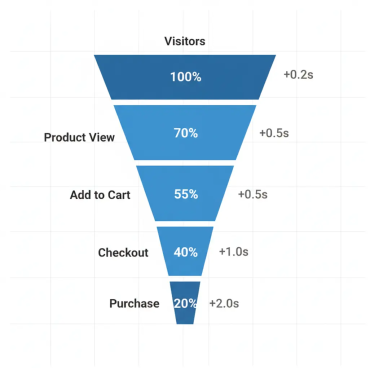
Speed directly influences user behavior and decision-making. Even small delays increase friction, hesitation, and abandonment.
A 1-second delay in page load time can reduce conversions by 7%. Faster websites consistently outperform slower competitors in revenue per visitor.
Speed does not increase conversions; slowness destroys them.
Website performance is a core SEO ranking factor
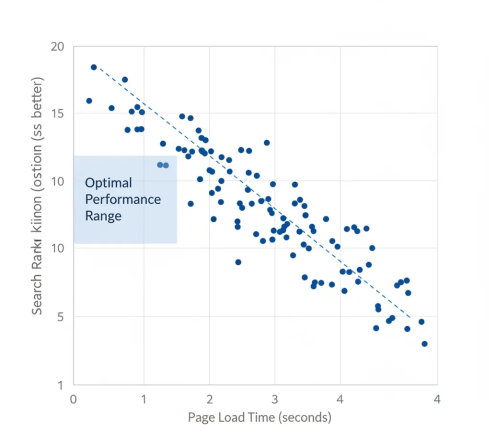
Search engines aim to deliver the best possible user experience. Performance is deeply embedded in ranking algorithms.
Google evaluates loading speed, interactivity, and visual stability through Core Web Vitals.
A slow website means lower rankings, reduced organic traffic, and higher acquisition costs. If your website is slow, it will not be discovered.
Mobile performance is even more critical
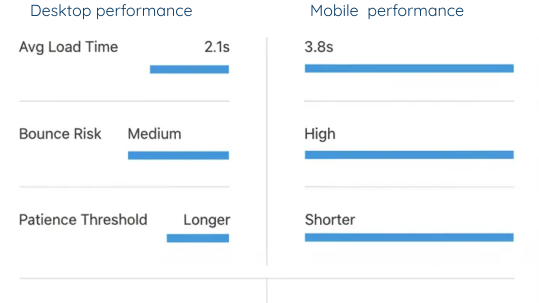
Mobile users dominate global traffic and are significantly less patient than desktop users.
Over 60% of all web traffic comes from mobile devices, and mobile users abandon slow websites faster than desktop users.
Professional performance optimization focuses on image optimization, efficient script loading, adaptive layouts, and reduced network requests.
Performance shapes brand trust and credibility
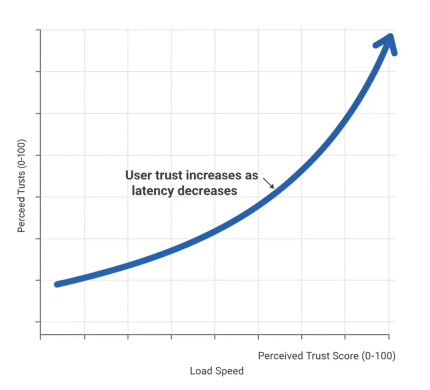
Users subconsciously associate speed with reliability and security.
A fast website feels trustworthy, professional, and well-built.
75% of users judge a company’s credibility based on website performance and overall quality. Trust is built in milliseconds.
Technical debt is a silent performance killer
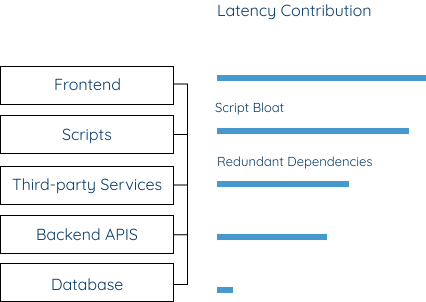
Many performance problems are not caused by traffic but by accumulated technical debt.
Common causes include bloated codebases, unoptimized third-party scripts, and poor architectural decisions.
Ignoring these issues leads to slower future development, higher maintenance costs, and increased instability.
Applied case insight: performance optimization results
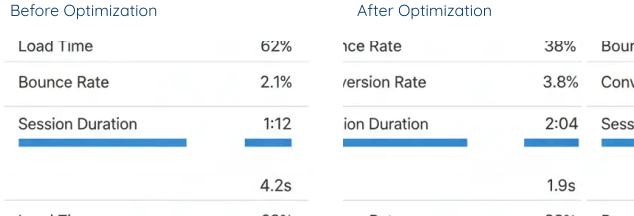
Applied performance optimization studies across service-based websites show reduced bounce rates, increased session duration, higher task completion rates, and improved conversion funnels.
Optimizing performance often delivers faster ROI than redesigning the entire website. Performance improvements are measurable, repeatable, and scalable.
When should businesses invest in performance optimization?
Performance optimization becomes essential when bounce rates increase, conversions stagnate, SEO rankings decline, or traffic grows but results do not.
Waiting until users complain is already too late. If users feel the slowness, the damage is already done.

Conclusion
Website performance is not a technical detail. It is a strategic business asset.
Fast websites rank higher, convert better, retain users longer, and build stronger brand trust. Every second matters because users decide in milliseconds.
References
- Steve Souders - High Performance Web Sites
- Ilya Grigorik - High Performance Browser Networking
- Akamai - Web Performance & User Behavior Reports
- Amazon Performance Studies - Speed vs Revenue Impact
Why Website Performance and Speed Optimization Matter More Than Ever
Request a performance audit
Start a project