

Mobile is not the future. It is the present.
Mobile apps create direct and continuous user access
Unlike websites, mobile apps live on the user’s device. This means instant access, push notifications, personalized experiences, and higher engagement frequency.
Mobile apps account for over 90% of mobile internet time. Users spend significantly more time in apps than on mobile browsers.
If your brand is on the phone, it is on the user’s mind.

Mobile apps deliver superior user experience
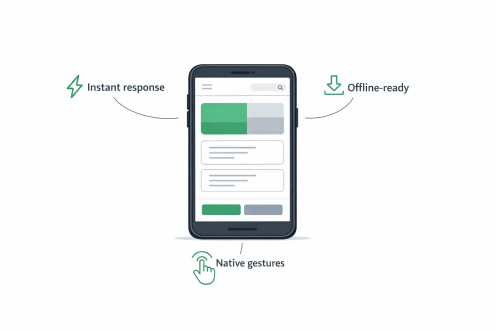
Mobile apps are designed specifically for touch interaction, device capabilities, offline usage, and performance optimization.
Compared to mobile websites, apps offer faster load times, smoother interactions, and better responsiveness.
Well-designed mobile apps significantly outperform mobile websites in user retention. Apps feel native. Websites feel visited.
Performance and speed are critical in mobile apps
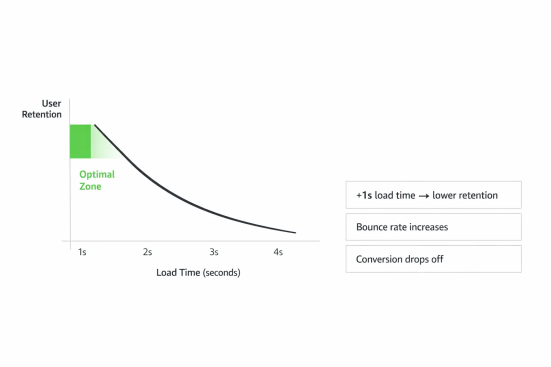
Mobile users expect instant responses. Poor performance leads to app uninstalls, negative reviews, and lost trust.
Over 70% of users abandon apps due to poor performance. App load time directly affects user ratings and retention.
On mobile, slow equals gone.
Mobile apps strengthen brand loyalty
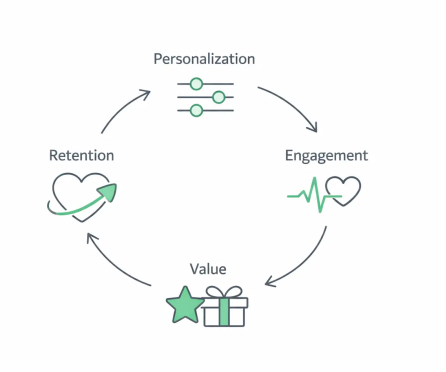
Mobile apps allow brands to build long-term relationships through personalization, push notifications, in-app rewards, and seamless user journeys.
Customers using mobile apps show higher loyalty and repeat usage compared to non-app users. Loyalty lives in convenience.
Native, cross-platform, or hybrid? Strategic choices matter
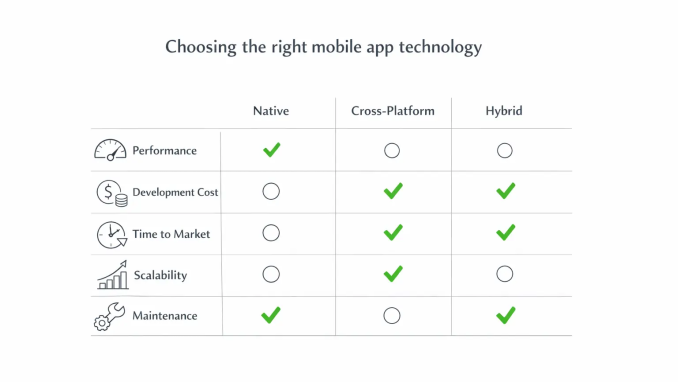
Professional mobile development starts with choosing the right approach: native apps for maximum performance, cross-platform apps for faster development and cost efficiency, or hybrid apps for content-driven experiences.
The wrong choice can limit scalability and performance. Technology decisions shape future possibilities.
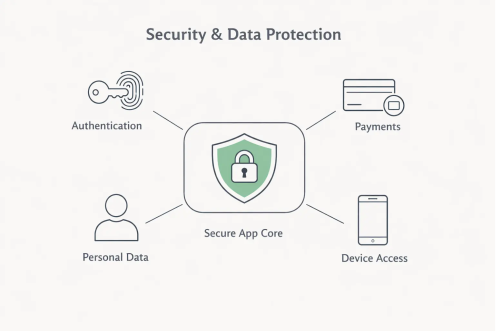
Security and data protection are essential
Mobile apps often handle personal data, payments, authentication, and location services.
Mobile apps are frequent targets for data breaches, and security flaws significantly reduce user trust and app ratings.
Security is not a feature. It is a responsibility.
Applied case insight: mobile apps and business growth
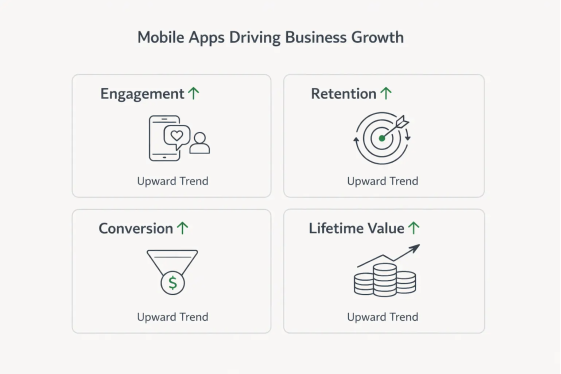
Applied industry studies show that businesses using well-built mobile apps experience higher engagement rates, increased customer retention, and improved conversion funnels.
Mobile apps transform occasional users into long-term customers.
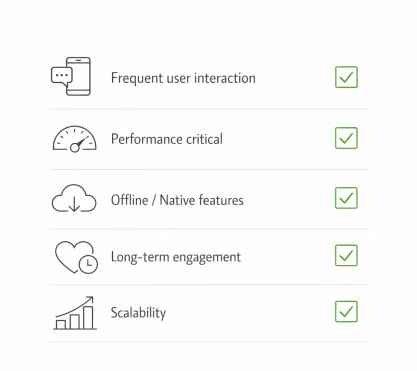
When should a business invest in mobile app development?
A mobile app becomes valuable when user engagement plateaus, personalization becomes essential, frequent user interaction is required, or scalability and performance matter.
If users return daily, an app is the right tool.
Conclusion
Mobile app development is not just about building an application. It is about creating a direct, personal, and reliable digital channel.
Successful mobile apps perform fast, feel intuitive, protect user data, and strengthen brand relationships. The most valuable place for a brand today is the user’s pocket.
References
- Chris Griffith - Mobile App Development with Ionic
- Dominic Lindgren - Mobile App Development for iOS and Android
- Google Firebase Performance Monitoring
- Apple Human Interface Guidelines
- Android Developer UX & Performance Guidelines
Why Mobile App Development Is a Strategic Investment for Modern Businesses
Talk to our mobile app experts
Start a project